In Odisha's dynamic political landscape, Aam Aadmi Party (AAP) leader Nishikanta Mahapatra has emerged as one of the key faces of the party's efforts to expand its presence in the state. As the Odisha unit president and a long-time party organizer, Mahapatra has been actively working to establish AAP as an alternative political force alongside the state's traditional political players.
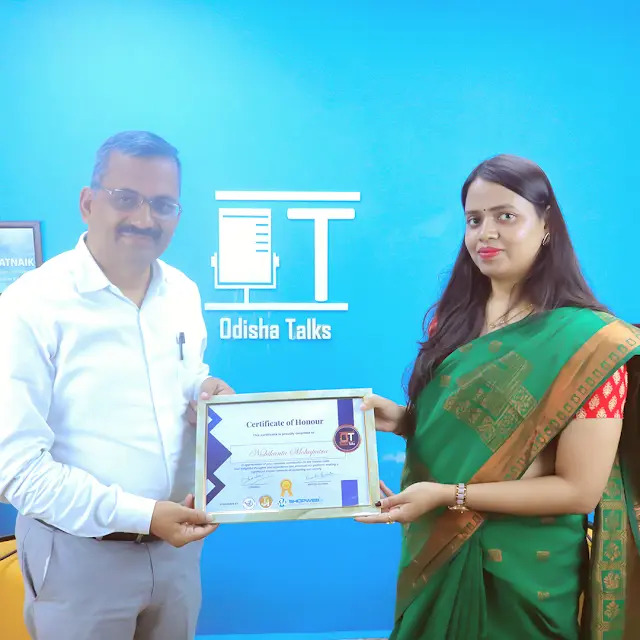
Nishikanta Mahapatra has been associated with the Aam Aadmi Party since its early years and has played a significant role in strengthening the organization's grassroots network across Odisha. Under his leadership, the party has focused on issues such as education, healthcare, corruption, governance reforms, unemployment, and transparency in public administration. Over the years, he has consistently advocated for greater accountability in government and citizen-centric policies. One of the major challenges faced by AAP in Odisha has been establishing itself in a political environment historically dominated by the BJP, BJD, and Congress. Despite these challenges, Mahapatra has continued to lead membership drives, organizational expansion efforts, and public outreach campaigns across various districts of the state. He has repeatedly stated that AAP aims to offer voters a fresh political alternative based on governance and development-focused politics.
Ahead of the 2024 elections, Nishikanta Mahapatra gained attention for his efforts to strengthen AAP's electoral presence in Odisha. The party sought to attract new leaders, expand its voter base, and highlight governance models implemented by AAP governments in Delhi and Punjab. During this period, Mahapatra frequently interacted with party workers and the media, emphasizing the need for political change and improved public services. Apart from electoral politics, Mahapatra has been vocal on issues affecting ordinary citizens. He has raised concerns related to corruption, illegal mining, unemployment, agriculture, education, and healthcare. His political messaging often centers on transparency, public welfare, and citizen participation in governance.
.jpg)